Respiratory equipment has no margin for error. Whether it’s delivering life-saving oxygen in a hospital ward or supporting patients with long-term conditions at home, every movement inside a respiratory system must be precise, reliable, and consistent.
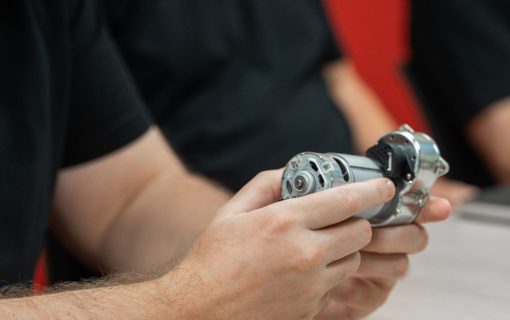
Miniature motors and automation components sit at the heart of this, ensuring airflow is controlled to the exact requirements of patients and clinicians.
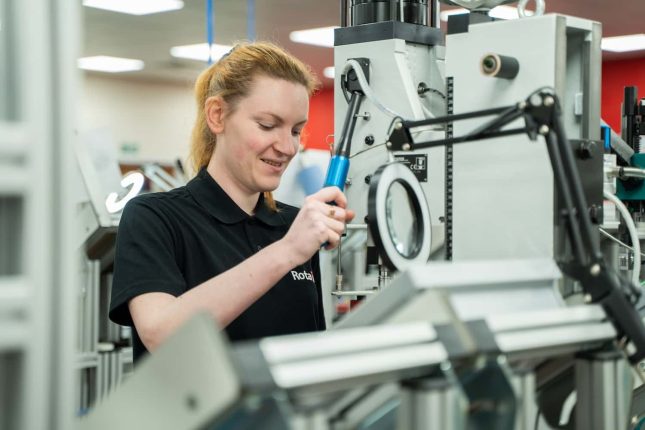
Miniature motors, gearboxes, and automation systems are vital to ensuring respiratory equipment performs flawlessly. They enable:
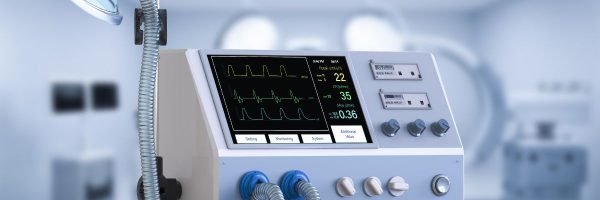
Ventilators are at the core of modern respiratory care, providing vital support to patients who cannot breathe independently. Reliability, precision, and responsiveness are essential — any compromise in performance can have serious consequences.

CPAP (Continuous Positive Airway Pressure) and BiPAP (Bi-level Positive Airway Pressure) machines treat sleep apnoea and other breathing disorders. Their effectiveness depends on delivering constant, precisely controlled airflow — night after night.
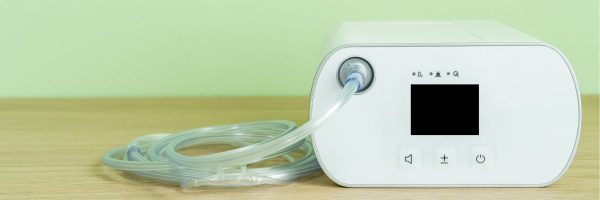
Oxygen concentrators provide a safe, continuous supply of oxygen, both in hospitals and at home. Reliability is critical, particularly in portable units that patients rely on daily.

Nebulisers convert liquid medication into a fine mist for inhalation. Accuracy, consistency, and quiet operation are critical for effective treatment and patient comfort.

Respiratory humidifiers condition air and oxygen, helping to prevent airway dryness and irritation during therapy. They require precise, stable control to maintain comfort and safety.

These devices help patients clear mucus from the lungs, supporting treatment for conditions such as cystic fibrosis, COPD, and chronic bronchitis. They rely on consistent, repeatable motion to deliver effective therapy.